One wrong amine can stall a batch, trigger QA questions, and turn routine cleanup into rework.
4-Methylmorpholine, also known as N-Methylmorpholine or NMM, is a cyclic tertiary amine used in industrial synthesis as a mild organic base and process-support chemical. Buyers usually screen it through identity, purity, water content, boiling range, and packaging consistency.
For most industrial buyers, the real issue is not definition alone. It is whether the material can be sourced and used without creating avoidable process risk.
What Is 4-Methylmorpholine?
4-Methylmorpholine is the same substance commonly sold as N-Methylmorpholine. It is identified by CAS 109-02-4 and molecular formula C5H11NO. In procurement, the practical job is simple: make sure the name, CAS, formula, COA, and label all point to the same material.PubChem compound record[^1]NIST chemistry record[^2]
What definition is most useful for search and buyers?
4-Methylmorpholine is a cyclic tertiary amine also known as N-Methylmorpholine or NMM. In industrial practice, it is used as a mild organic base and process chemical in intermediate and fine chemical synthesis. Buyers usually verify it through CAS 109-02-4, C5H11NO, purity, water content, and boiling range.ECHA substance identity page[^3]
- CAS Number: 109-02-4
- Molecular Formula: C5H11NO
- Common Trade Name: N-Methylmorpholine
- Typical Appearance: Clear, colorless liquid
- Main Buyer Concern: Identity, assay, moisture, and handling stability
Why does naming confusion cause real purchasing mistakes?
This is not a small issue. One supplier quotes 4-Methylmorpholine. Another quotes N-Methylmorpholine. If a buyer treats those as different products, comparison work gets messy fast. If the buyer assumes they are the same without checking the core identifiers, that can be just as risky. The right move is to lock the discussion to CAS, formula, and the actual document set before price comparison begins.
Which identity checkpoints matter first?
Most teams do not need a long academic profile. They need a clean receiving and approval path.
| Identity item | Why it matters in practice |
|---|---|
| Chemical name / synonym | Prevents RFQ confusion and wrong-product quotations |
| CAS number | Aligns SDS, COA, ERP, and customs records |
| Formula | Helps technical teams verify the intended substance |
| Appearance | Supports basic incoming inspection |
What Is 4-Methylmorpholine Used for in Chemical Synthesis?
In industrial chemistry, 4-Methylmorpholine is usually evaluated as a tertiary amine that can serve as a mild base or route-support chemical. The exact role depends on the process. Good technical writing stays honest here: the value is in route fit, not in broad “used everywhere” wording.ECHA manufacture and use information[^4]
Why do chemists choose this type of amine?
Process teams usually compare amine class, basic process role, impurity tolerance, and downstream cleanup burden before they approve a material. That is why real buyers do not stop at generic “application” language. They want to know whether the material makes sense in the route and whether the incoming quality is stable enough to support repeated production.
Where does it usually appear in industrial work?
The safest answer is contextual, not exaggerated. Public dossier material supports its presence in industrial manufacture and formulation settings, which makes it reasonable to discuss intermediate synthesis, fine chemical production, and custom synthesis review without pretending there is one universal reaction claim for every plant.[^4]
| Use context | Conservative industrial reading |
|---|---|
| Intermediate synthesis | Used where a tertiary amine fits route logic |
| Fine chemical production | Considered as a process-support material |
| Custom synthesis | Reviewed during route selection and scale-up |
| Pilot manufacture | Checked for repeatability and handling practicality |
What should not be overclaimed?
A lot of weak articles lose trust here. They start naming applications as if every plant uses the same chemistry for the same reason. That is not how real manufacturing works. A stronger sentence is simpler: 4-Methylmorpholine is relevant in industrial synthesis, but its exact function depends on the route, impurity tolerance, and workup design.
Why Do Purity and Water Content Matter in 4-Methylmorpholine?
Purity and water content are not decorative numbers on a certificate. They affect whether the material behaves like the process team expects. That means charging accuracy, reaction predictability, impurity control, and downstream cleanup. A lot can meet a commercial description and still create trouble if moisture pickup or quality drift enters the picture.ECHA physical and chemical properties[^5]
Why can water become a quiet batch problem?
On paper, moisture may look minor. In a plant, it is not minor at all. Extra water can push a route out of its intended process window, create impurity noise, or trigger a QA hold before the drum is even issued to production. Buyers who have seen batch drift once usually do not forget it.
Process Engineer’s Note:
Ask how the product is sampled, repacked, and sealed after release. A strong assay number does not help much if the drum has already picked up moisture before it reaches your warehouse.
Which COA lines deserve the most attention?
The first pass should stay practical. Buyers usually need to know whether the material is the right one, whether it is clean enough, and whether it is likely to remain stable through storage and use.
| COA item | Why it matters |
|---|---|
| Assay / purity | Indicates how much intended material is present |
| Water content | Important where moisture can shift route behavior |
| Boiling range | Helps confirm identity consistency |
| Appearance / color | Can trigger early QA concern |
| Batch number | Supports traceability if deviation review starts |
What does “good purity” really mean in operations?
It means fewer surprises. That is the plain-language answer. Cleaner material usually means lower side-reaction risk, less cleanup pressure, and easier troubleshooting if something still goes wrong. Buyers are not paying for a number because it looks impressive. They are paying for narrower uncertainty.
What Should Buyers Check Before Sourcing 4-Methylmorpholine?
A strong sourcing review starts with documents, then moves to packaging, traceability, and repeat-order discipline. Price still matters. But in industrial purchasing, a cheap first lot loses value quickly if the second lot comes with changed spec wording, weak packaging, or document gaps.
Which documents should be reviewed first?
Most industrial teams start with the same core pack: COA, SDS, product specification, packaging details, and shipment labeling information. If those are unclear during inquiry, the same problem usually comes back during customs handling, incoming QC, or internal release.
What do experienced buyers ask that beginners often miss?
They ask unglamorous questions. Drum size. Repacking control. Shelf-life logic. Lot traceability. Complaint handling. These are the questions that sound routine but prevent expensive waste later. A mature buyer is usually trying to avoid process disruption, not win a debate over who found the lowest quote.
| Buyer checkpoint | Why it matters |
|---|---|
| Spec consistency | Reduces requalification work and internal delay |
| Packaging format | Affects storage, sampling, and line-side use |
| Traceability | Helps QA investigate complaints quickly |
| Document readiness | Speeds import and internal approval |
| Repeat-order stability | Matters more than one good sample lot |
Why does drum condition matter so much?
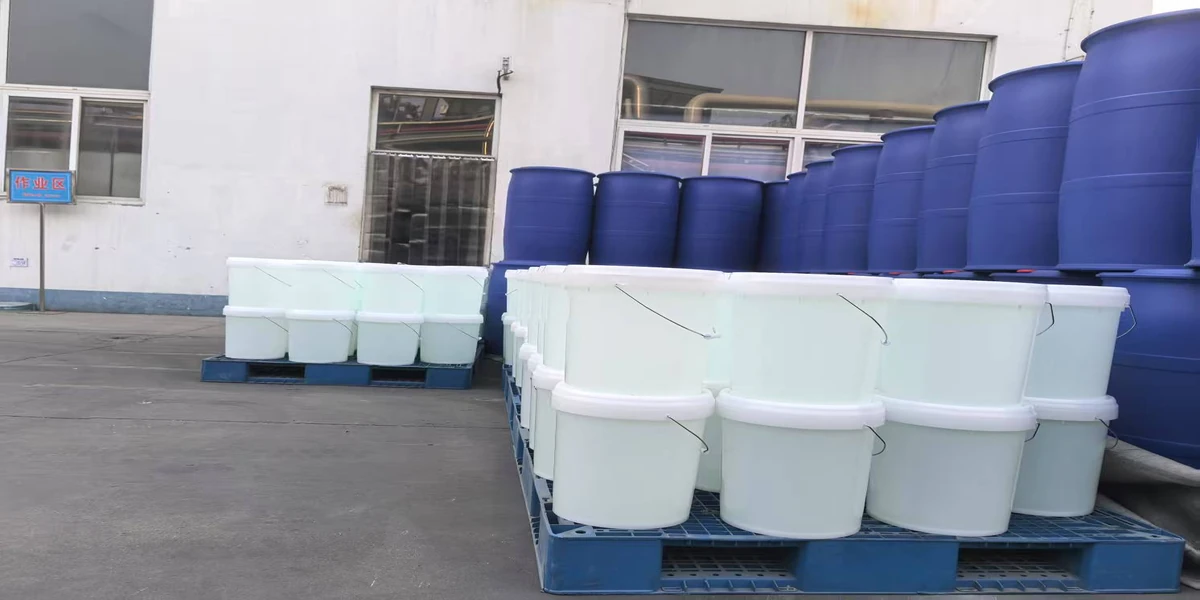
Because poor packaging turns into a chemistry problem faster than people expect. A badly sealed or damaged drum can lead to moisture pickup, label confusion, or a receiving hold. Then the warehouse stops it, QA reviews it, and production waits. One wrong drum can stall a perfectly ordinary batch. That is real supply-chain friction, not theory.
How Should 4-Methylmorpholine Be Stored and Handled?
4-Methylmorpholine should be treated as an industrial amine that needs controlled storage and disciplined handling. Exact operating instructions must come from the current supplier SDS, internal SOPs, and local regulatory requirements. A blog should explain why this matters. It should not pretend to replace formal safety documentation.[^3][^5]
Why does storage discipline affect process reliability?
Receiving quality is only the first checkpoint. The material still has to remain usable between receipt, sampling, warehouse storage, and charging. Poor closure, loose lot control, or careless transfer practice can create avoidable doubt before the material ever reaches the reactor.
Which handling points are usually reviewed first?
The list below is intentionally practical. It is the kind of shortlist operations teams care about before they get into site-specific safety detail.
| Handling point | Why operations care |
|---|---|
| Closed, suitable packaging | Helps preserve material condition during storage and transport |
| Dry, controlled storage | Reduces moisture pickup and QA questions |
| Clear lot identification | Makes receipt and investigation faster |
| Current SDS on file | Keeps hazard communication aligned |
| Clean transfer practice | Helps reduce contamination risk |
What belongs in the SDS, not in marketing copy?
Specific PPE, exposure limits, emergency procedures, transport controls, and segregation rules belong in the SDS and plant documents. That is where they should stay. If a storage or handling question becomes route-critical, the correct wording is still: Needs human confirmation against the latest SDS and site requirements.
What Is the Difference Between 4-Methylmorpholine and Related Amines?
This is one of the easiest places for a buyer to make a costly mistake. Morpholine and 4-Methylmorpholine sound similar enough that someone under time pressure may treat them as interchangeable. They are not. Similar names do not guarantee similar process behavior.
Why is morpholine not the same thing?
The most useful answer is the practical one. They are different amines. That means substitution decisions cannot be made on naming alone. If a buyer swaps one for the other because the names look close, the real consequence shows up in the plant, not in the purchasing spreadsheet.
Which comparison points matter most?
A smart comparison starts with route fit, not catalog wording. Buyers should ask whether the chosen amine matches the intended reaction role, impurity tolerance, and downstream cleanup strategy.
| Comparison point | Why it matters |
|---|---|
| Amine type | Changes substitution logic and process fit |
| Process role | One route may need a background base, another may not |
| Impurity tolerance | Affects reproducibility and workup burden |
| Handling profile | Influences storage and transfer practicality |
| Commercial availability | Matters for long-term supply planning |
What should procurement teams remember?
Remember this: similar names are not enough. Always anchor the decision to CAS, formula, route notes, and the technical reason the material was selected in the first place. That one habit prevents a lot of avoidable trouble.
Is 4-Methylmorpholine Suitable for Custom Synthesis and Scale-Up Supply?
4-Methylmorpholine can fit custom synthesis and scale-up work when the route genuinely requires it, but bench-scale success is only one part of the story. Once a project moves toward pilot or commercial production, buyers start caring much more about spec repeatability, document quality, packaging discipline, and technical response speed.
Why does scale-up change the buying standard?
Because scale-up exposes weak supply discipline immediately. A lab can sometimes work around document gaps or awkward packaging. A plant cannot. Once volumes rise, every inconsistency becomes visible: slower release, more sampling questions, more QA pressure, and more downtime risk.
Which supplier capabilities matter most?
For buyers working with pharmaceutical intermediates, specialty amines, custom synthesis services, or fine chemical manufacturing, the supplier conversation should focus on execution, not slogans.
| Supplier capability | Why it matters during scale-up |
|---|---|
| Stable spec control | Supports predictable plant performance |
| Traceable batch release | Makes QA review faster and cleaner |
| Practical packaging options | Helps warehousing and line-side handling |
| Fast technical follow-up | Reduces delay when route questions appear |
| Supply continuity | Protects the process from avoidable interruption |
How does TUODA fit this kind of inquiry?
Within TUODA’s positioning, the useful value is not just offering a quotation. It is whether the supplier can support intermediate supply, custom synthesis coordination, and steady technical communication over repeat deliveries. In scale-up work, buyers evaluate the supplier system, not just the molecule.
Conclusion
The bottom line: 4-Methylmorpholine is a process chemical. If identity, moisture control, packaging, and supplier discipline are right, the route is easier to trust.
[^1]: Confirms the core identity fields, common synonyms, and compound-level reference data.
[^2]: Adds a second technical identity source outside supplier marketing language.
[^3]: Helps align CAS, EC number, and substance identity wording for document review.
[^4]: Supports conservative wording about industrial manufacture, formulation, and use context.
[^5]: Grounds the property and handling discussion in documented dossier material rather than assumption.