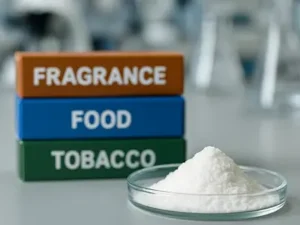
Maltodextrin is a widely used carbohydrate ingredient across the food, nutrition, and pharmaceutical industries.
While it often appears on consumer labels, its real value lies in its functional performance within industrial formulations.
For manufacturers and ingredient buyers, understanding maltodextrin from a technical and sourcing perspective is essential for ensuring product consistency, regulatory compliance, and long-term supply stability.
This article provides an industry-focused overview of maltodextrin, covering its chemical identity, manufacturing process, key applications, safety profile, and practical sourcing considerations.
What Is Maltodextrin?
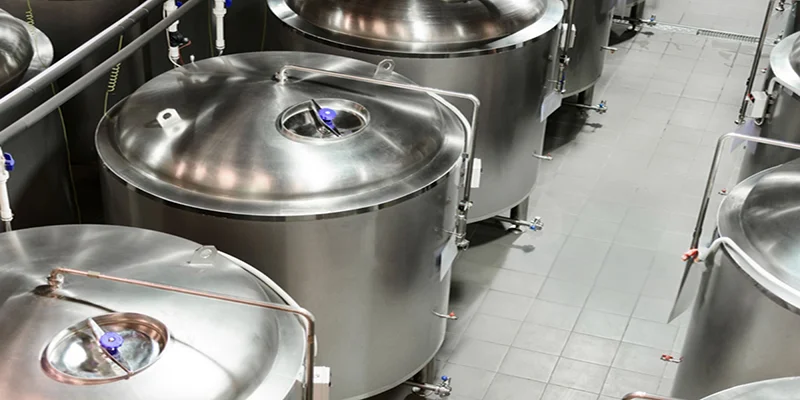
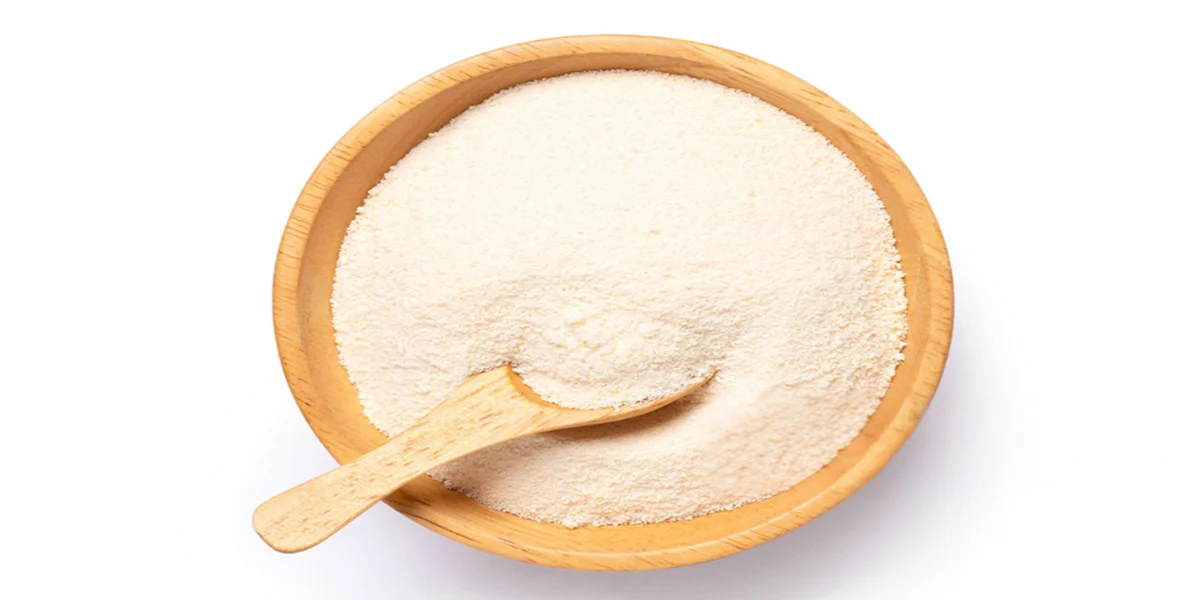
Maltodextrin is a starch-derived carbohydrate supplied as a white or off-white powder with high solubility and low sweetness.
It consists of short glucose chains produced through partial hydrolysis of starch, placing it structurally between simple sugars and complex polysaccharides.
In industrial specifications, maltodextrin is commonly defined by its dextrose equivalent (DE) value.
Most food-grade and pharmaceutical-grade maltodextrins have a DE value below 20, providing a neutral taste and predictable functional behavior.
Manufacturing Process and Raw Material Sources
Maltodextrin is produced through controlled enzymatic or acid hydrolysis of starch.
The choice of raw material depends on availability, regulatory requirements, and end-use applications.
Common raw material sources include:
- Corn starch
- Potato starch
- Rice starch
- Wheat starch
After hydrolysis, the solution is refined, filtered, and spray-dried to obtain a stable powder.
For industrial users, batch-to-batch consistency in DE value, moisture content, particle size, and microbiological quality is critical for downstream processing and formulation performance.
Industrial Applications of Maltodextrin
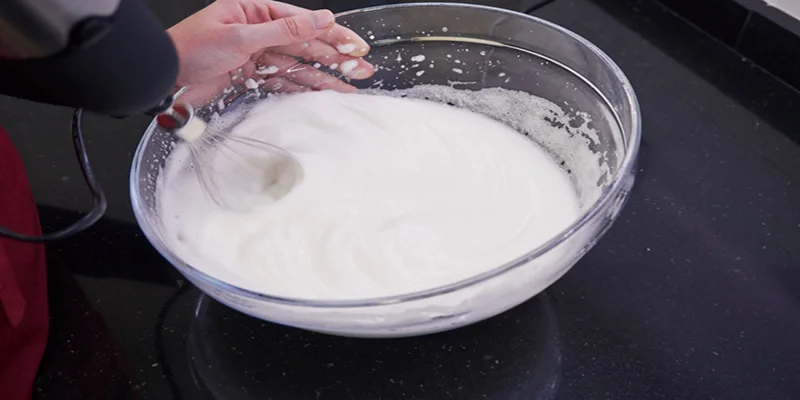
Maltodextrin is valued primarily for its functional properties, rather than its nutritional contribution.
Its ability to modify texture, enhance stability, and act as a carrier makes it suitable for a wide range of industrial applications.
Food and Beverage Formulations
In food manufacturing, maltodextrin is commonly used as:
- A bulking agent in reduced-sugar or reduced-fat products
- A texture and mouthfeel enhancer in sauces, soups, and dressings
- A carrier for flavors, colors, and sensitive active ingredients
- A processing aid in dairy, bakery, and frozen food systems
Its neutral sensory profile allows formulators to adjust texture and stability without altering the intended flavor profile of the final product.
Nutrition and Supplement Products
In sports nutrition and dietary supplements, maltodextrin serves as a rapidly digestible carbohydrate source.
It is frequently used in energy drinks, carbohydrate powders, and recovery formulations where fast glucose availability is required.
From a manufacturing perspective, control over solubility, hygroscopicity, and bulk density is essential to ensure product consistency and shelf-life performance.
Safety Profile and Regulatory Status

Maltodextrin has a long history of safe use and is generally recognized as safe (GRAS) by regulatory authorities such as the U.S. Food and Drug Administration (FDA)
.
It is approved for use in food and pharmaceutical applications across major markets, including:
- United States
- European Union
- Asia-Pacific regions
While maltodextrin has a high glycemic index, this consideration is primarily relevant at the consumer level.
From an industrial and regulatory standpoint, maltodextrin is considered safe when used within approved application limits.
Gluten Status and Allergen Considerations
Maltodextrin is generally classified as gluten-free, even when derived from wheat starch.
The hydrolysis and purification processes remove gluten proteins to levels below regulatory detection thresholds.
However, many manufacturers prefer corn- or rice-based maltodextrin to simplify allergen labeling and ensure consistency across international regulatory frameworks.
Chemical Identity and Documentation
For technical documentation and international trade, maltodextrin is identified as:
This identifier is commonly used in technical data sheets (TDS), safety data sheets (SDS), and customs documentation.
Reliable suppliers should provide complete documentation aligned with the regulatory requirements of destination markets.
Key Sourcing Considerations for Buyers
When sourcing maltodextrin for industrial use, buyers typically evaluate more than price alone.
Key considerations include:
- Stable and consistent DE value across batches
- Clear specifications for moisture content, solubility, and bulk density
- Compliance with food or pharmaceutical regulatory standards
- Transparent raw material origin and allergen statements
- Reliable supply capability and export documentation support
For manufacturers serving multiple markets, supplier reliability and regulatory support are often as important as the ingredient itself.
Conclusion
Maltodextrin remains a foundational functional ingredient in modern food, nutrition, and pharmaceutical formulations.
Its versatility, established safety profile, and broad regulatory acceptance make it a reliable choice for industrial applications.
Approached from a sourcing and application perspective, maltodextrin is not merely a carbohydrate ingredient — it is a technical component that plays a critical role in formulation performance and global compliance.
[^1]: Explore this official FDA resource to understand the regulatory status of maltodextrin and its classification as a generally recognized as safe (GRAS) ingredient for food and pharmaceutical applications.
[^2]: Learn more from the European Food Safety Authority (EFSA) about how maltodextrin is evaluated and approved for use under EU food additive regulations and international compliance frameworks.
[^3]: Refer to this PubChem database entry for detailed chemical identity information on maltodextrin, including its CAS number, molecular characteristics, and use in technical documentation.